
;)
Edible Food Colorings: The "Beauty Magicians" of the Food World
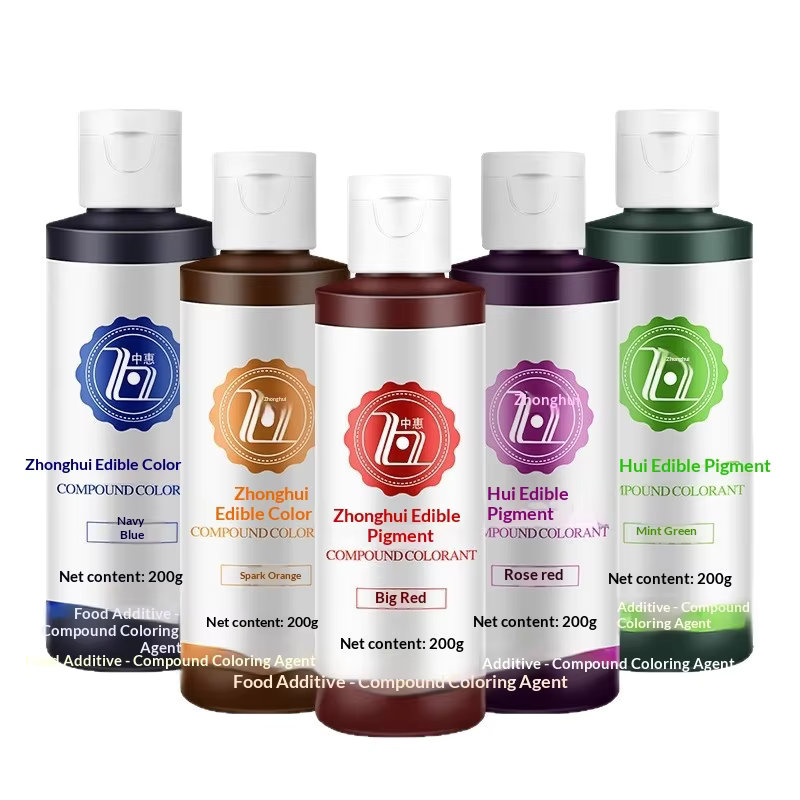
Edible food colorings, professionally known as "color additives," are ingredients used to impart and enhance the color of food. Acting much like cosmetics for food, they help products overcome a dull appearance, presenting an attractive and visually appealing look to consumers.
1. Classification of Food Colorings
Food colorings are primarily categorized into two main groups: natural and synthetic.
Natural Food ColoringsDerived from plant, animal, microbial, or mineral sources, natural colorings are generally considered to have a higher safety profile, with some offering additional nutritional or health benefits.
Plant-based: Examples include paprika extract (from red peppers), curcumin (from turmeric rhizomes), beta-carotene (from carrots), anthocyanins (from purple sweet potatoes and grape skins), chlorophyllin copper complex (from spinach), gardenia yellow (from gardenia fruits), and beet red (from red beet roots).
Animal-based: Examples include cochineal (from female cochineal insects) and lac dye (from lac insect secretions).
Microbial-based: An example is monascus red, produced through the fermentation of Monascus purpureus (red yeast rice).
Mineral-based: Examples include titanium dioxide and vegetable carbon.
Synthetic Food ColoringsThese are organic colors produced through chemical synthesis. They are characterized by their bright hues, strong coloring power, excellent stability, and cost-effectiveness.
Azo dyes: Examples include Amaranth, Ponceau 4R, Tartrazine, Sunset Yellow, and Allura Red.
Non-azo dyes: Examples include Erythrosine, Brilliant Blue, and Indigo Carmine.
Lakes: These are created by precipitating water-soluble synthetic dyes onto insoluble substrates, such as Tartrazine Aluminum Lake and Ponceau 4R Aluminum Lake.
2. Common Ingredients
Natural Coloring Ingredients: Typically consist of plant extracts (e.g., peppers, turmeric, carrots, gardenia, beets, purple sweet potatoes, grape skins), animal extracts (e.g., cochineal, lac insects), microbial fermentation products (e.g., red yeast rice), or mineral raw materials (e.g., titanium ores, vegetable charcoal).
Synthetic Coloring Ingredients: Chemically synthesized, primarily using aniline dyes originally isolated from coal tar as raw materials.
3. Applications
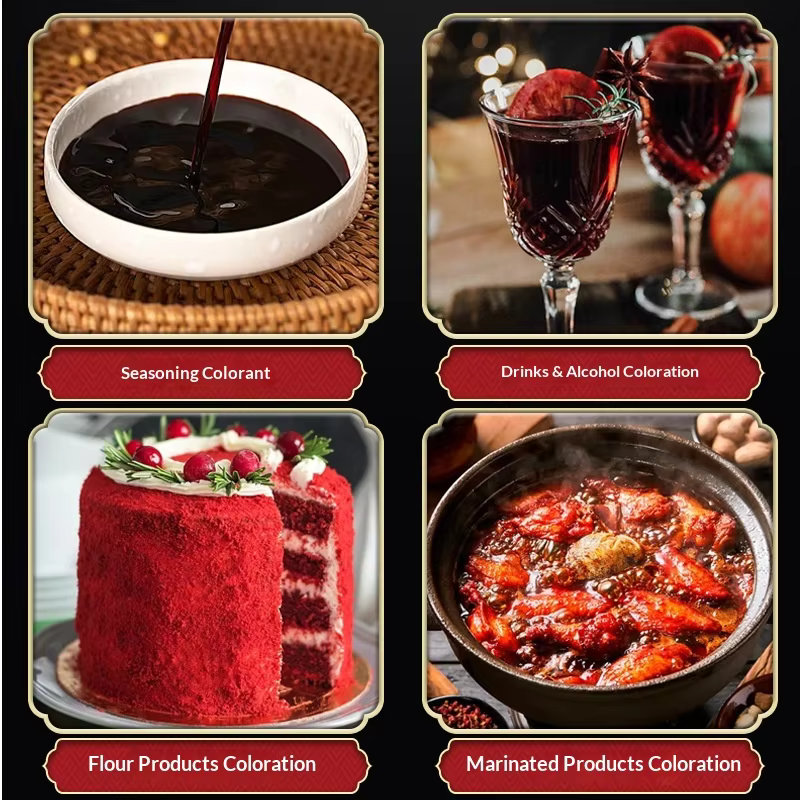
Food colorings are widely used across various food categories, including:
Beverages: Fruit juices, carbonated drinks, alcoholic beverages, and flavored waters.
Confectionery & Bakery: Candies, chocolates, cakes, cookies, ice cream, and jellies.
Dairy Products: Yogurts, flavored fermented milk, and formulated milk.
Meat Products: Hams, sausages, and cooked meat products.
Condiments: Soy sauce, vinegar, and various sauces.
Baked Goods: Bread, mooncakes, and decorative cake icings.
Others: Soy products, pickled vegetables, puffed snacks, and pet foods.
4. Functions
Enhancing Sensory Quality: Imparts vibrant, natural-looking colors to boost visual appeal and stimulate appetite.
Restoring Color Loss: Compensates for natural pigment degradation that occurs during food processing and storage.
Flavor Indication: Uses color to signal specific flavors (e.g., red for strawberry, yellow for lemon).
Masking Defects: Covers undesirable discoloration caused by processing or storage conditions.
Nutritional Fortification: Some natural pigments offer functional benefits; for instance, beta-carotene converts to Vitamin A, and anthocyanins possess antioxidant properties.
Extending Shelf Life: Certain pigments (like anthocyanins and monascus red) exhibit antioxidant or antibacterial effects, helping to prolong product shelf life.
5. Visual Effects & Performance
Natural Colorings: Provide natural, soft tones but generally have weaker coloring power and less vibrancy. They tend to have lower stability, making them susceptible to fading or changing color due to light, temperature, pH levels, and metal ions (e.g., anthocyanins appear red in acidic environments but turn blue in alkaline conditions). Some may also carry the inherent scent of their raw materials.
Synthetic Colorings: Offer bright, pure, and highly saturated hues with strong coloring power. They exhibit excellent stability against light, heat, acids, and alkalis, ensuring long-lasting color. Their diverse palette allows for the creation of a wide variety of shades.
6. Regulatory Standards
China's National Food Safety Standard for Uses of Food Additives (GB 2760-2024) strictly regulates the permitted varieties, application scopes, and maximum usage levels of edible food colorings. All approved colorings undergo rigorous safety testing and are considered safe when used within specified limits. The use of any synthetic coloring is strictly prohibited in infant formula and complementary foods. Consumers can review ingredient labels to understand coloring usage and select products that align with their preferences.
Contact Us
Henan Zhigong Import and Export Trade Co., Ltd.
Kaiyue Industrial Park, Yicheng District, Zhumadian City, Henan Province.
Email: qiaoxia1112@outlook.com
Website: www.zgdirecttrade.com
Tel/whatsapp: 8615660500603


