;)
Soy Sauce–Flavored Pancake: The Secret of Chinese Street Food Hidden in a Single Pastry
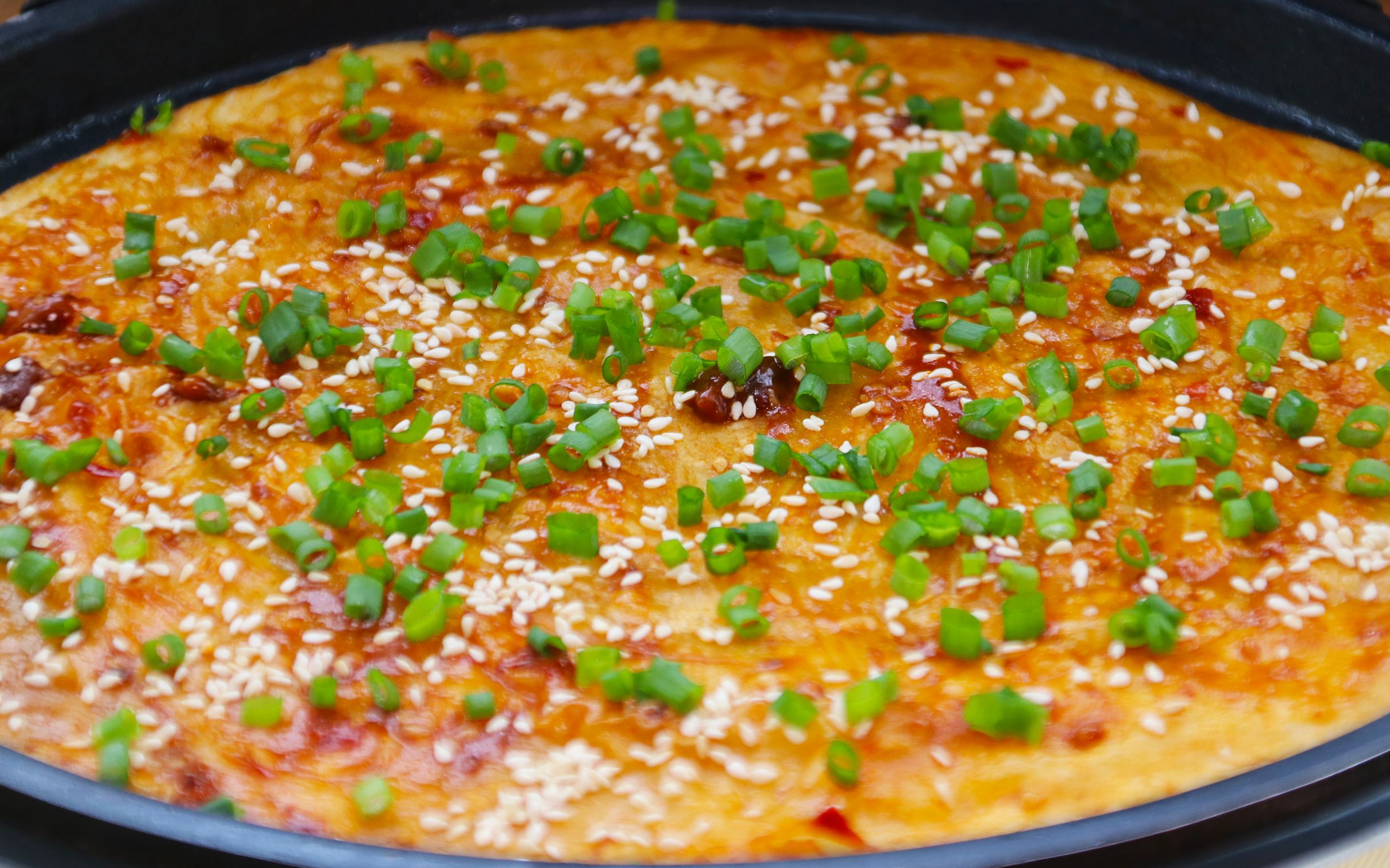
Imagine this: you’re strolling through the streets of Wuhan, China, as the early winter breeze carries a faint chill. Suddenly, a rich, warm, and remarkably penetrating aroma draws you in. Following the scent, you find yourself surrounded by a crowd gathered around a small stall. At the counter, a vendor deftly slices a golden‑crisp pancake—sprinkled with sesame seeds and chopped scallions—into diamond‑shaped pieces. Unable to resist, you buy one; the first bite sends a wave of delight through your palate: the exterior is delightfully flaky and crumbly, while the interior remains soft and chewy. Then, a complex flavor profile—savory, subtly spicy, and deeply aromatic—explodes on your tongue.
This is the sauce‑fragrant pancake, a street snack that countless Chinese simply can’t get enough of. For those accustomed to Western‑style pizza or Mexican burritos…(Tortilla)To Western friends, the Jiangxiang pancake is like a “Chinese‑style flatbread” steeped in Eastern mystique. But its appeal goes far beyond that—its very soul lies in that layer of secret‑recipe sauce.
A street legend hailing from the riverside city of Wuhan.
Unlike many traditional Chinese dishes with centuries-old imperial histories, the Jiangxiang pancake has a very down-to-earth origin. It was born in Wuhan, a major transportation hub in central modern China.
In20From the end of the century to21At the turn of the century, as urbanization accelerated, Wuhan’s streets saw a proliferation of stalls offering quick breakfasts and snacks to office workers and students. It was against this backdrop that the “jiangxiangbing” emerged. With no fixed origin or single inventor, it evolved over time through the collective efforts of countless street vendors, who blended the techniques of northern pan-fried flatbreads with the Sichuan–Chongqing region’s fervent love for rich, savory sauces and fiery spice—ultimately giving rise to a down-to-earth culinary delight.
It has quickly become a nationwide sensation because it perfectly matches the pace of modern urban life: fast service, affordable prices, and an exceptionally satisfying taste. If we compare it to Western street‑style hot dogs…(HotDog)While it embodies speed and spontaneity, the Jiangxiang pancake is China’s version of a “street‑food carb bomb,” soothing every hurried stomach with its rich, layered flavors.
Artistry and Timing: The Birth of a Single Pancake
To understand sauce‑fragrance pancakes, one must first grasp their production process. This is far from a simple act of “spreading batter into a pancake”; it is, rather, an art form that hinges on the interplay between dough and heat.
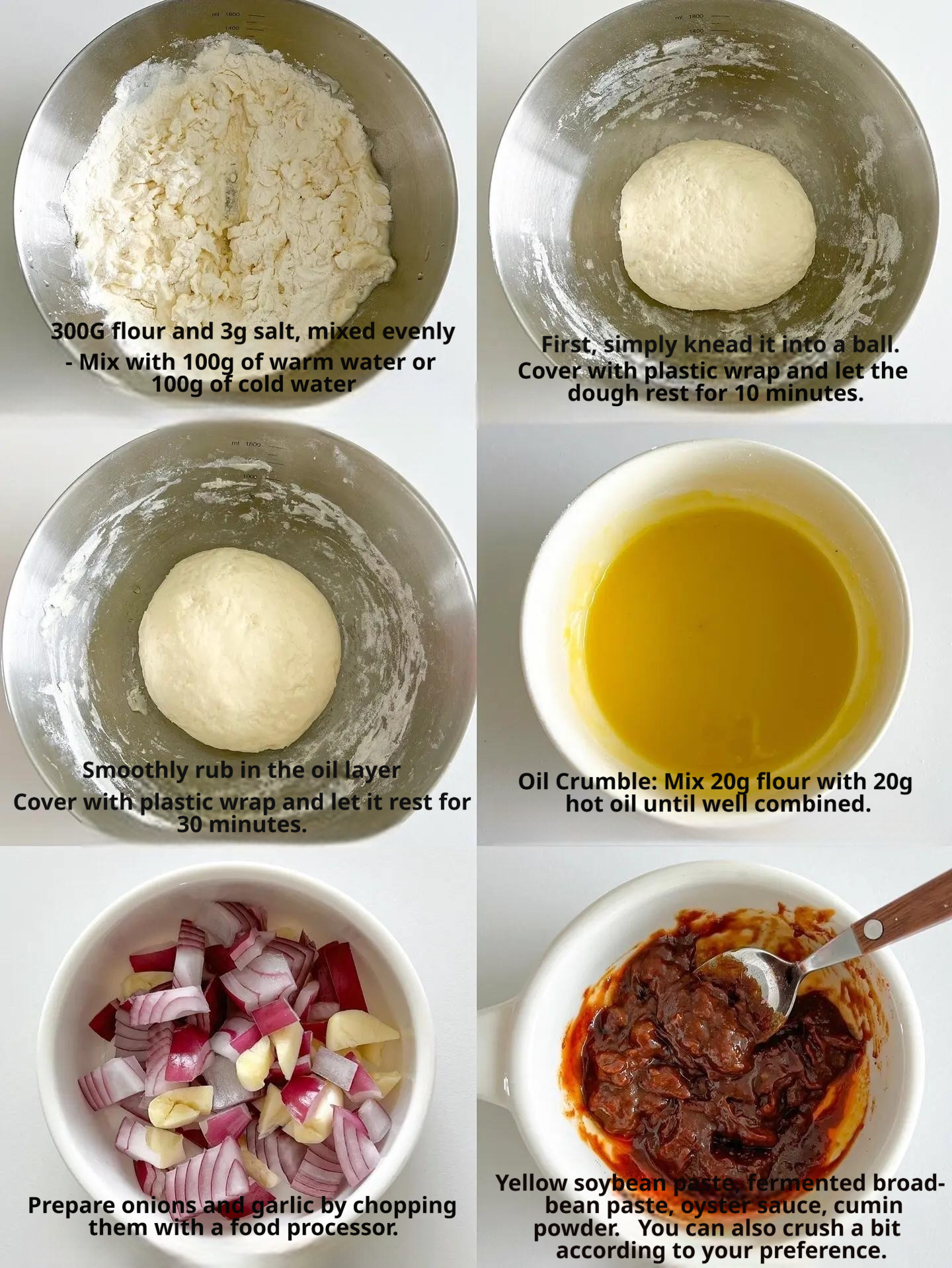
Step 1: Mix the dough and let it rest.Artisans typically use all‑purpose flour, add an appropriate amount of water and a pinch of salt, and knead it into a smooth dough. The key lies in “resting the dough”—allowing it to sit for a while so the gluten can fully relax. This is the secret behind a crust that can be stretched incredibly thin yet still retain its elasticity.
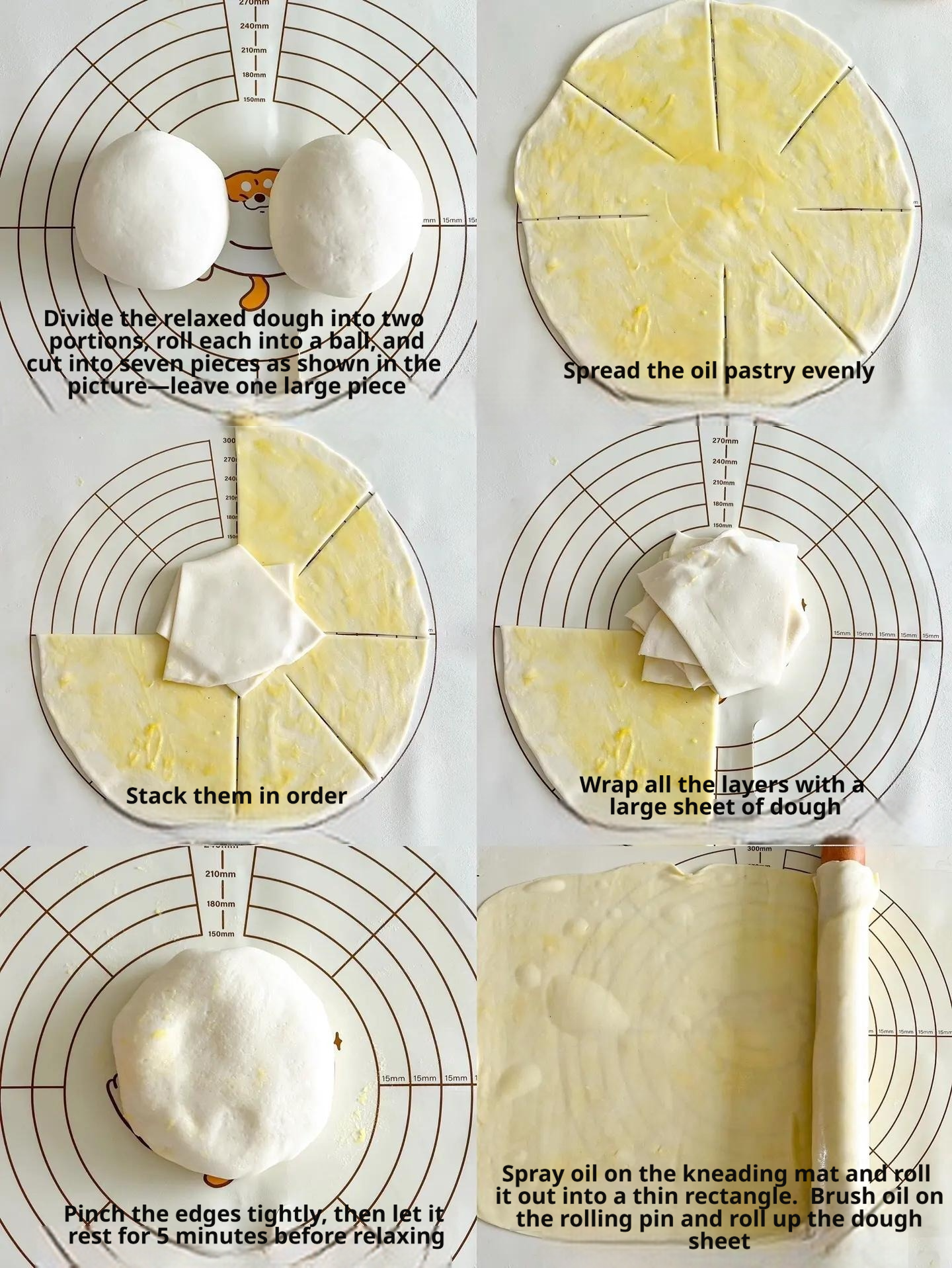
Step 2: Flaky Pastry and Shaping.This is the key step that sets sauce‑fragrance pancakes apart from ordinary flatbreads. The baker rolls the rested dough into a thin sheet, brushes it with a light coat of oil, folds it like an open fan, then rolls it into a cylinder before flattening and rolling it out again. This “laminating” technique creates layers that puff up beautifully when the pancake is pan‑fried, delivering a satisfying, crisp “crunch” with every bite.
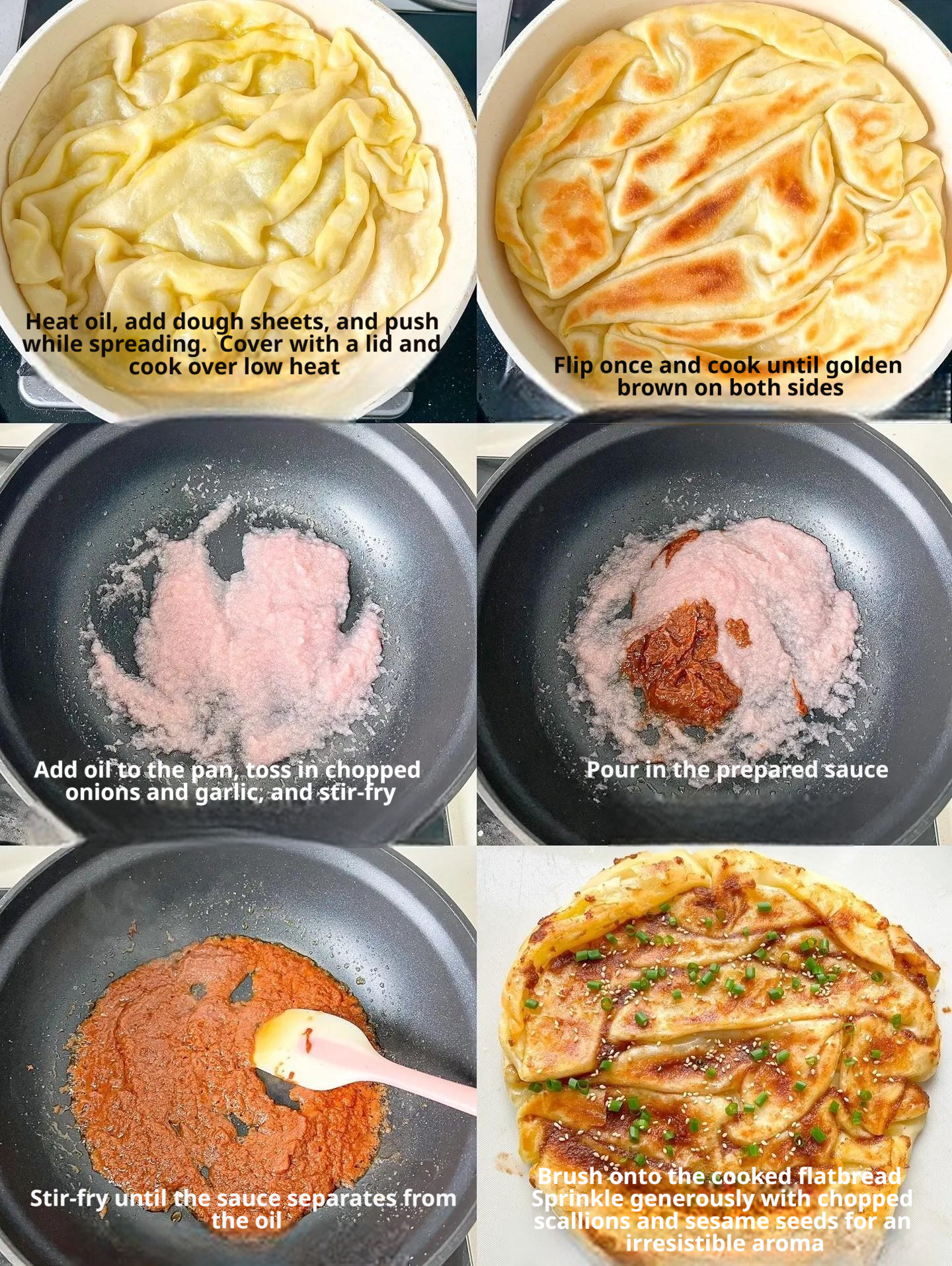
Step 3: Brush on the secret-recipe sauce.This is the very soul of the entire pancake. Traditionally, the sauce is painstakingly simmered from over a dozen ingredients, including fermented broad-bean paste, sweet bean sauce, chili powder, and various spices. In modern cooking, however, to ensure consistent flavor and efficiency, many chefs turn to specialized compound seasoning pastes—such as the widely available “sauce‑fragrance pancake aroma paste.” These pastes typically use soybean oil, fermented black beans, and fermented broad-bean paste as their base, enriched with enzymatically hydrolyzed beef bone extract, chicken bone oil, and an array of aromatic spices. Applied directly to the pancake crust, they instantly infuse it with a rich, savory sauce aroma and a deeply umami‑savory taste.
Step 4: Pan-fry and bake.Place the pancake—spread with sauce and sprinkled with white sesame seeds and chopped scallions—into a large, flat-bottomed pan. As the temperature rises, the oils in the sauce react with the pancake’s crust in a remarkable Maillard reaction, turning the surface golden and crisp. Once cooked, the chef uses a spatula to neatly cut it into diamond-shaped pieces, places them in paper bags, and hands them to the diner.
The “Flavor Shortcut” in the Modern Kitchen
For Westerners who want to recreate this beloved Chinese street food at home, starting from scratch and simmering dozens of spices can be quite challenging. Fortunately, the modern food industry has already provided an excellent solution.
Like “Savory Sauce Flavoring Paste6080“This professional sauce‑fragrance paste is a composite seasoning specially designed for Chinese‑style snacks. It’s not only perfect for sauce‑fragrance pancakes, but can also be spread directly on the surface of pancakes and pan‑fried flatbreads—and even used to prepare Sichuan and Chongqing‑style dishes like sour and spicy noodles, mala tang, and dry‑pot meals. Just one small spoonful is enough to unleash the rich, mellow flavors of beef and chicken bone oils, the fermented umami of doubanjiang, and the complex aroma of aromatic spices, letting you effortlessly recreate the authentic taste of China’s street food right at home.”
One pancake, one cultural experience
Soy-sauce‑flavored pancakes are more than just a dish—they’re a microcosm of China’s street‑food culture. They may lack elaborate plating or costly ingredients, yet in their simplest form, they seamlessly blend the wheaty aroma of dough, the rich depth of rendered fat, and the intricate flavors of the sauce.
Next time you have the chance to visit China, or catch that familiar aroma of savory sauce wafting from a stall in Chinatown, take a moment to stop and savor a freshly baked sauce‑fragrant pancake. Amid the interplay of crispiness and softness, and the harmonious clash of salty‑umami and just‑the-right hint of spice, you’ll taste a China that is real, vibrant, and brimming with the warmth of everyday life.