
;)
Anhydrous Butter: The "Pure Oil" from the Highland Pastures to the Modern Kitchen
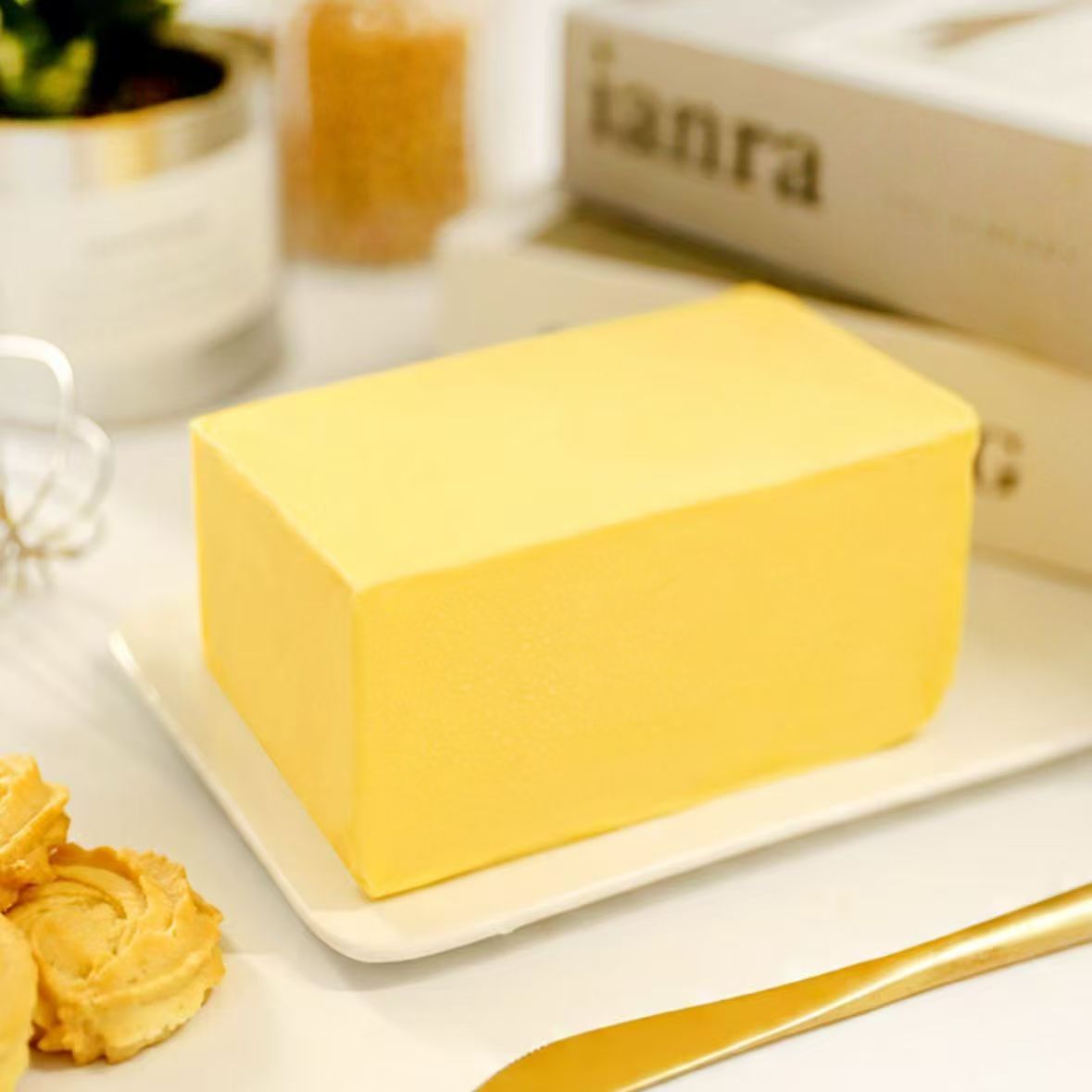
In the snowy foothills of the Himalayas, Tibetan herders have passed down an ancient craft for generations—extracting golden, translucent oil from yak milk, which became the prototype of butter. This "liquid gold" of the highlands is not only the soul of the Tibetan tea bowl but also the eternal flame in temple lamps. As this tradition moved into modern industry, a more purified and stable form—anhydrous butter—emerged. It inherits the wisdom of ancient pastoral regions while embracing contemporary baking and health-conscious diets.
Origin: A Gift from the Snowy Highlands and a New Industrial Life
The concept of anhydrous butter is rooted in traditional butter (酥油). In pastoral regions like Tibet and Inner Mongolia, butter is made by repeatedly churning and heating cow or sheep milk, serving as a key energy source and a treasured hospitality item for nomadic peoples. Traditional butter has high moisture content and is prone to oxidation. To extend shelf life and improve performance, the modern food industry uses physical refining processes to thoroughly remove moisture and impurities, creating "anhydrous butter"—essentially a milk fat of over 99% purity.
Today, anhydrous butter comes in two main forms: one continues the pastoral tradition, using yak milk as the raw material to preserve natural flavor; the other is based on refined vegetable oils, designed specifically for the baking industry, often called "vegetable-based anhydrous butter" or Vanaspati ghee. Regardless of type, its origins trace back to agricultural and pastoral civilizations, and it has now transitioned from household stoves to factory production lines.
Production Process: The "Alchemy" of Removing All Impurities
The core of anhydrous butter production lies in removing water and impurities. Traditional methods involve settling fresh milk, boiling it, skimming the surface cream, and then repeatedly kneading and cooling. Industrial production is more precise:
Raw material processing: Selecting fresh milk fat (cream) or refined vegetable oil.
Dehydration: Heating to above 80°C in a vacuum environment to evaporate residual moisture.
Centrifugal separation: Removing proteins, salt, and lactose as sediment.
Cooling and crystallization: Rapid cooling and kneading to obtain a fine, solid fat.
Notably, 2026 industry observations suggest that high-end anhydrous butter is shifting from a focus on "moisture content" to "process cleanliness," with greater attention to residual solvents and oxidation products during refining. This means modern anhydrous butter strives not only for "no water" but also for "purity".
Uses and Methods: From Teapot to Oven, a Versatile Choice
Anhydrous butter spans regions and cuisines:
Foundation of Highland Diet: In Tibet, butter tea is an irreplaceable daily beverage—tea mixed with butter and salt, churned into a creamy emulsion to warm the highland morning. Kazakh herders use butter to spread on toasted naan and stir-fry with lamb, adding rich milky aroma.
Secret Weapon in Baking: In bread, cookies, and puff pastry, anhydrous butter is prized for excellent flakiness and crisp texture, often used as a substitute for butter. Its high melting point and good extensibility create layered, crispy structures in baked goods, and it requires no refrigeration before use, greatly improving production efficiency.
New Favorite in Health Diets: Compared to regular butter, anhydrous butter contains no lactose or milk solids, making it suitable for lactose-intolerant individuals. It has a high smoke point above 200°C, suitable for high-temperature frying without producing harmful substances. In ketogenic diets, it serves as a high-quality fat source and is used as a base for bulletproof coffee.
Usage Tips:
Baking: Substitute equal amounts for butter in recipes (if a richer flavor is desired, reduce by 10%).
Sautéing: Heat until slightly smoking, then fry eggs or stir-fry rice without sticking or burning.
Storage: Can be stored at room temperature in a cool, dry place for up to 24 months; refrigeration or freezing extends shelf life further.
Effects: A Dual Return of Flavor and Warmth
From an effects perspective, anhydrous butter brings more than just flavor enhancement:
Sensory Aspect: Produces a unique nutty aroma after baking, golden color, and rich but not greasy taste.
Nutritional Aspect: Provides high-density energy and fat-soluble vitamins (A, D, E), aiding winter warmth and physical recovery. It is also rich in butyric acid, which supports intestinal cell repair and regeneration, potentially reducing systemic inflammation.
Cultural Aspect: In Tibetan regions, butter is a symbol of "auspiciousness" and "blessing" during festivals and when hosting guests.
A Story: The "Golden Memory" of a Grassland Grandmother
On the Nagqu grassland, seventy-year-old grandmother Droma brews a pot of butter tea every morning. She boils the fresh milk from her own yaks, skims the golden cream, and kneads it repeatedly until it becomes a warm block of butter. She always says: "A winter without butter is like a grassland without sunshine." Later, Droma's granddaughter sent her handcrafted butter to the city, along with a pack of "anhydrous butter," saying: "Grandma, this one we use has the same taste as the one you knead." At that moment, across thousands of miles, tradition and modernity shook hands through the aroma of butter.
Conclusion
Anhydrous butter is a journey from the highland hearth to the modern factory. It removes water but retains the warmth of distant places; it is born from ancient wisdom yet serves today's lifestyle aesthetics. Whether brewing a pot of tea or baking a batch of cookies, that touch of golden richness continues to tell the story of people and land, tradition and innovation.
Contact Us
Henan Zhigong Import and Export Trade Co., Ltd.
Kaiyue Industrial Park, Yicheng District, Zhumadian City, Henan Province.
Email: qiaoxia1112@outlook.com
Website: www.zgdirecttrade.com
Tel/whatsapp: 8615660500603


